In 2009 the Department of Linguistics created the Summer Linguistic Institute for Youth Scholars (SLIYS), a summer linguistic program, for high school aged students. The program, staffed by graduate students in the department started as a week-long program. Over the next six years it would expand to a two-week and then three-week-long program. The first week covered the core topics — phonetics, phonology, morphology, syntax, and semantics — and later weeks were for more advanced topics. Early on attendance was in-person, and included students from all over the United States, most of them staying in the dormitories on campus. Some students had experience with language study and linguistics, while others had never studied linguistics before. What started as a group of just 18 students in 2009 grew to a bustling 105 students just ten years later.
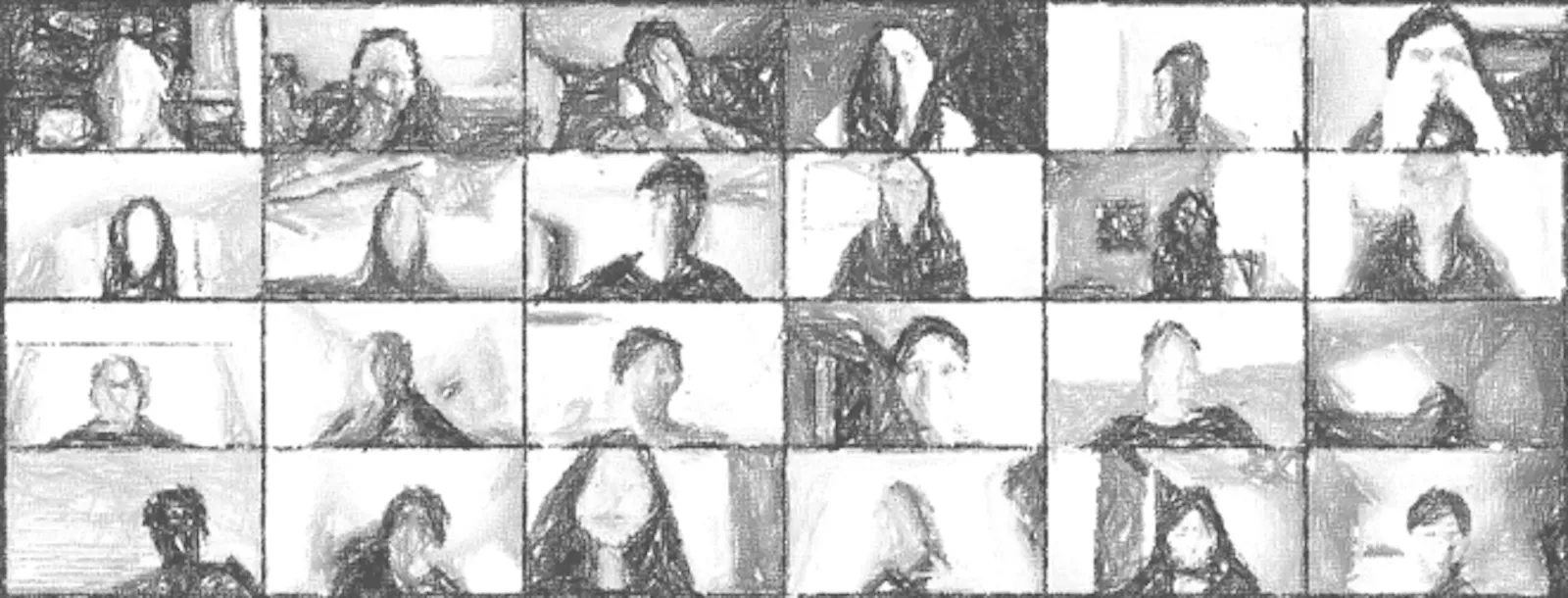
During the COVID-induced pandemic in 2020 (and beyond), SLIYS needed to adjust and switched to the virtual classroom. Initially done for health concerns, this change also allowed for a broader reach. The virtual program was now open to international students and students who would not have been able to travel to Columbus. Though the virtual classroom is no longer the norm, the program has continued to run virtually, as the access and the cost have kept it the preferred choice for attendees. Classes are held synchronously, meaning that students in China are twelve hours ahead! Despite this, every year there are many international students coming from Greece, Indonesia, Turkey, Japan, Korea, China, and the UK.
Today the sessions of the program are still taught by graduate students from the department. In addition, there are guest speakers who meet with the students to share their insights and experience. These guest speakers have included Walt Wolfram (a pioneer in the study of African American English), Marc Okrand (the inventor of Klingon), as well as scholars from other universities, like Kelly Wright (University of Wisconsin-Madison), Ryan Henke (University of Wisconsin-Madison), and OSU alumni, like Nandi Sims (Stanford). At the end of the first week the students meet with panelists to talk about the field of linguistics and potential career opportunities. The panel consists of faculty from the Department of Linguistics, alumni who have found non-linguistic jobs, undergraduate students in the department, as well as SLIYS alumni. All these scholars, whether undergraduate students or seasoned scholars in the field, give the SLIYS participants an opportunity to learn about linguistics outside of the classroom.
One of the highlights of the program is language elicitation. Students are put into groups with a language consultant, giving them a chance to apply the skills and knowledge they have learned as they get to experience real-life “fieldwork”. Students are assigned languages that they have not previously studied to create an authentic experience. As a group they then ask questions about the language to create a grammar sketch of the language. They do this by looking for minimal pairs, asking questions regarding word order, phrase structure, tense, and the like. At the end of the program the group then presents their findings to the rest of the participants. Students have worked with a variety of languages, working with speakers of Albanian, Greek, Hawai`i Creole English, Georgian, Bengali, Hebrew, Hungarian, Lithuanian, Korean, Turkish, Serbo-Croatian, and Thai, to name a few.
The SLIYS program has continued to flourish and continues to evolve as a program. The second week, which covers specialized topics, has been modified to consist of a series of workshops, each taught 2-3 times during the week. The workshops are now organized like a linguistics conference, which allows them to choose which topics and specialties they can focus on. Some of the past topics have included deixis, language acquisition, contact languages, computational linguistics, pragmatics, the history of English, constructed languages, historical morphology, linguistic anthropology, and speech perception.
The popularity of the SLIYS program is evident, not just in the evolving format, but in the number of attendees. The first virtual year (2020) had 131 students attending during the four week-long sessions. Just last year (2025), there were 184 students during the summer, with a wait list of students hoping to get a spot in the program.
Due to the increased demand, for the Summer 2026 program of SLIYS, the capacity has been doubled, with twice as many instructors and language consultants, allowing for as many as 240 students to attend the program this year! This program, now in its 17th year, continues to flourish, benefiting the graduate students with summer funding and teaching experience and the future scholars with solid linguistic training and inspiration continue in the field.